
Top Plumbing Tips for Homeowners and Landlords

Plumbing issues can be a nightmare for homeowners and landlords alike. From leaky faucets to clogged drains, these problems can lead to costly repairs and significant inconveniences. Fortunately, with a bit of knowledge and proactive maintenance, many plumbing issues can be avoided. This guide provides essential plumbing tips that every homeowner and landlord should know to keep their plumbing systems in top shape.
Understanding Your Plumbing System
Before diving into specific tips, it’s crucial to understand the basic components of your plumbing system. This knowledge will help you identify issues and communicate effectively with professionals when needed.
Key Components of a Plumbing System
Pipes: These transport water throughout your home. Common materials include PVC, copper, and PEX.
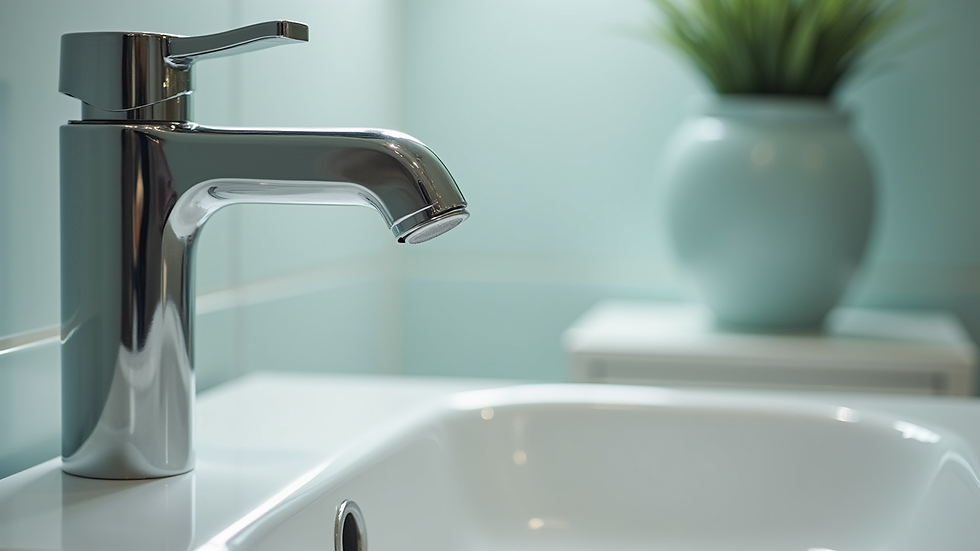
Faucets and Fixtures: These are the visible parts of your plumbing system, including sinks, toilets, and showers.
Water Heater: This appliance heats water for your home, providing hot water for showers, washing dishes, and laundry.
Drains and Sewers: These systems remove wastewater from your home and direct it to treatment facilities.
Understanding these components will empower you to take better care of your plumbing system.
Regular Maintenance is Key
One of the best ways to avoid plumbing disasters is through regular maintenance. Here are some essential maintenance tips:
Inspect for Leaks
Regularly check for leaks in visible pipes, faucets, and fixtures. Even a small leak can lead to significant water waste and damage over time. Look for:
Water stains on walls or ceilings
Damp spots around pipes
A sudden increase in your water bill
If you notice any signs of leaks, address them immediately to prevent further damage.
Clean Drains Regularly
Clogged drains can lead to slow drainage and potential backups. To keep your drains clear:
Use a drain strainer to catch hair and debris.
Pour boiling water down the drain weekly to help dissolve grease and soap buildup.
Avoid flushing items like paper towels, feminine hygiene products, or food scraps down the toilet or sink.
Check Your Water Heater
Your water heater is a vital part of your plumbing system. To ensure it operates efficiently:
Flush the tank annually to remove sediment buildup.
Check the temperature setting; it should be around 120°F for optimal performance.
Inspect the anode rod every few years and replace it if necessary to prevent rust.
Know When to Call a Professional
While some plumbing issues can be handled with DIY solutions, others require professional help. Here are some situations where you should call a plumber:
Persistent Clogs
If you’ve tried plunging and using drain cleaners without success, it’s time to call a professional. They have the tools and expertise to address stubborn clogs effectively.
Major Leaks
If you discover a significant leak that you cannot control, don’t hesitate to call a plumber. Major leaks can cause extensive damage and mold growth if not addressed promptly.
Water Heater Issues
If your water heater is leaking, making strange noises, or not providing hot water, it’s best to consult a professional. They can diagnose the issue and recommend the best course of action.
DIY Plumbing Fixes
For minor plumbing issues, there are several DIY fixes that homeowners and landlords can try. Here are a few common problems and their solutions:
Fixing a Leaky Faucet
A leaky faucet can waste a significant amount of water. To fix it:
Turn off the water supply to the faucet.
Remove the handle and unscrew the packing nut.
Replace the washer or O-ring, then reassemble the faucet.
Unclogging a Toilet
If your toilet is clogged, try the following steps:
Use a plunger to create suction and dislodge the blockage.
If that doesn’t work, try a toilet auger to break up the clog.
Avoid using chemical drain cleaners, as they can damage pipes.
Replacing a Showerhead
A low-flow showerhead can save water and improve your shower experience. To replace it:
Unscrew the old showerhead from the arm.
Clean the threads on the arm to remove old tape or debris.
Wrap new plumber’s tape around the threads and screw on the new showerhead.
Water Conservation Tips
Conserving water is not only good for the environment but also helps reduce your water bill. Here are some effective water-saving tips:
Install Low-Flow Fixtures
Consider installing low-flow faucets, showerheads, and toilets. These fixtures use significantly less water without sacrificing performance.
Fix Leaks Promptly
As mentioned earlier, fixing leaks promptly can save water and prevent damage. Regularly check for leaks and address them as soon as possible.
Use Water-Saving Appliances
When replacing appliances, look for those with the ENERGY STAR label. These appliances are designed to use less water and energy, saving you money in the long run.
Seasonal Plumbing Tips
Different seasons can present unique plumbing challenges. Here are some seasonal tips to keep your plumbing in good shape:
Winter
Insulate Pipes: Protect exposed pipes from freezing by wrapping them in insulation.
Let Faucets Drip: During extreme cold, let faucets drip to prevent freezing.
Spring
Check for Leaks: After winter, inspect your plumbing for any leaks that may have developed.
Clean Gutters: Ensure gutters and downspouts are clear to prevent water damage.
Summer
Inspect Sprinkler Systems: Check for leaks and ensure your irrigation system is functioning properly.
Monitor Water Usage: Be mindful of water usage during hot months, especially if you have a garden.
Fall
Prepare for Winter: Drain outdoor hoses and shut off exterior faucets to prevent freezing.
Inspect Water Heater: Check your water heater to ensure it’s ready for increased usage during colder months.
Emergency Preparedness
Being prepared for plumbing emergencies can save you time and money. Here’s how to get ready:
Know Your Shut-Off Valves
Familiarize yourself with the location of your main water shut-off valve and individual shut-off valves for fixtures. In case of a major leak, knowing how to shut off the water quickly can prevent extensive damage.
Keep Essential Tools Handy
Having basic plumbing tools on hand can help you address minor issues quickly. Consider keeping the following tools in your home:
Plunger
Adjustable wrench
Pipe wrench
Screwdriver set
Teflon tape
Create an Emergency Contact List
Compile a list of trusted plumbers and emergency contacts. Having this information readily available can save you time during a plumbing crisis.
Conclusion
By following these plumbing tips, homeowners and landlords can maintain their plumbing systems effectively and avoid costly repairs. Regular maintenance, knowing when to call a professional, and being prepared for emergencies are key to keeping your plumbing in top shape. Remember, a little proactive care goes a long way in ensuring a smooth-running plumbing system. Take action today to protect your home and investment!
Comments